PCOS & Hormonal Imbalance – What Every Woman Should Know
Hormonal balance plays a vital role in a woman’s reproductive and overall health. Polycystic Ovary Syndrome (PCOS) is one of the most common hormonal disorders affecting women of reproductive age. Awareness, early diagnosis, and proper management can help control symptoms and improve quality of life.
What is PCOS?
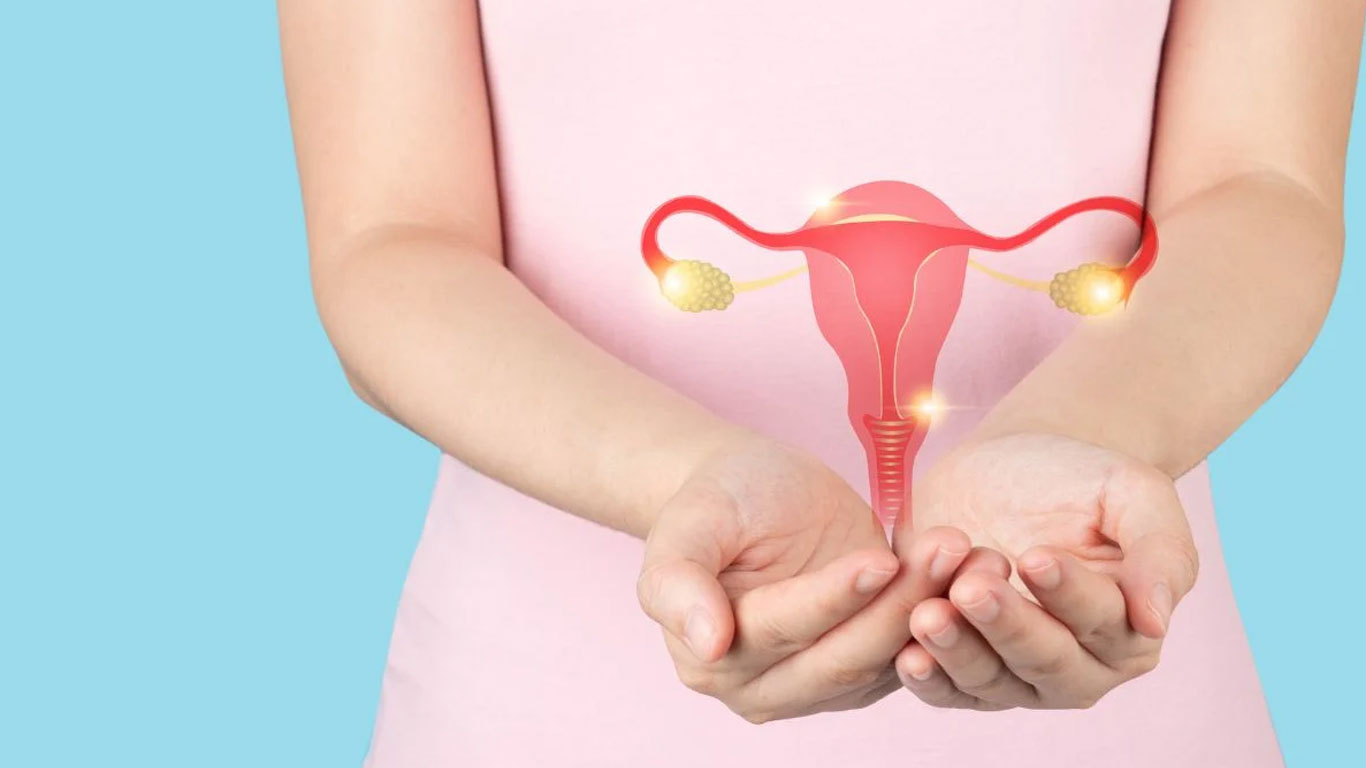
PCOS is a hormonal condition in which the ovaries may produce excess hormones, leading to irregular ovulation. This imbalance can affect menstrual cycles, fertility, skin health, and metabolism. PCOS can present differently in each woman, making individualized evaluation important.
Common Symptoms of PCOS & Hormonal Imbalance
- Irregular or missed menstrual periods
- Difficulty in ovulation or fertility concerns
- Weight gain or difficulty managing weight
- Acne or oily skin
- Excess hair growth or hair thinning
- Hormone-related mood changes
How is PCOS Diagnosed?
Diagnosis involves a detailed medical history, menstrual cycle evaluation, hormonal assessment, and ultrasound examination of the ovaries. Early diagnosis allows timely management and helps prevent long-term complications.
Management & Treatment Options
PCOS and hormonal disorders are manageable with a combination of medical treatment and lifestyle changes. Treatment is tailored based on symptoms, age, and reproductive goals.
- Medical management to regulate hormones
- Menstrual cycle regulation
- Ovulation induction when pregnancy is planned
- Weight and lifestyle management guidance
- Long-term follow-up and monitoring
Lifestyle Tips for Hormonal Balance
- Maintain a balanced and nutritious diet
- Engage in regular physical activity
- Manage stress through healthy routines
- Get adequate sleep
- Follow medical advice consistently
When to Consult a Doctor
- Irregular or absent periods
- Symptoms of hormonal imbalance
- Difficulty conceiving
- Sudden changes in weight or menstrual pattern
- Concerns related to reproductive health